
Human Capital Management

Summary: Why tomorrow’s best leaders will stop pretending they have all the answers—and how to move forward. Dear Dr. Sylvia, I am a leader who thought I had most of the answers for my staff. After 25 years at the helm of a very successful retail business, I am now stuck for solutions. Every day,…

Summary: We often think of boundaries as walls that we put up when we’re angry, hurt, or trying to keep someone out. But healthy boundaries are not about rejection. They are about clarity. When attempting to break an old pattern, clarity can be uncomfortable, especially when the person on the other side is someone you…

Summary: What do you do when no choice feels comfortable? Ed Sheeran found out very publicly. Read on for my thoughts on what to do when you’re caught between a rock and a hard place. Dear Dr. Sylvia, There is so much polarization in our world right now; we can’t even go to a concert…

Summary: What if meaningful organizational change begins not with a grand strategy, but with a leader who notices what others may have overlooked? Hanneke Faber’s leadership offers a powerful example of how curiosity, adaptability, and a willingness to challenge the familiar can create meaningful transformation. Some leaders enter an organization with a five-year plan already…

Summary: What if the employee who keeps reverting to old behaviors isn’t failing to change, but is actually showing the first signs of transformation? Discover how recognizing the small GLIMMERS of progress can help leaders balance accountability with patience, avoid triggering old patterns, and allow space for meaningful growth to take hold. Dear Dr. Sylvia,…

Summary: Your team may look terrific when everything is going well. People collaborate. Meetings are cordial. Deadlines are met. Everyone talks about trust, transparency, and “being one team.” Then the pressure hits. A major client threatens to leave. Revenue falls short. AI changes someone’s role. Instead of doom and gloom, here is a better way…

Summary: What happens to leadership when artificial intelligence can analyze faster, process more information, and produce answers in seconds? Perhaps the answer is surprisingly simple: We have to become more human, not less. Microsoft’s CEO has something to teach us about empathy, self-awareness, and human leadership in the age of AI. Satya Nadella, Chairman and…

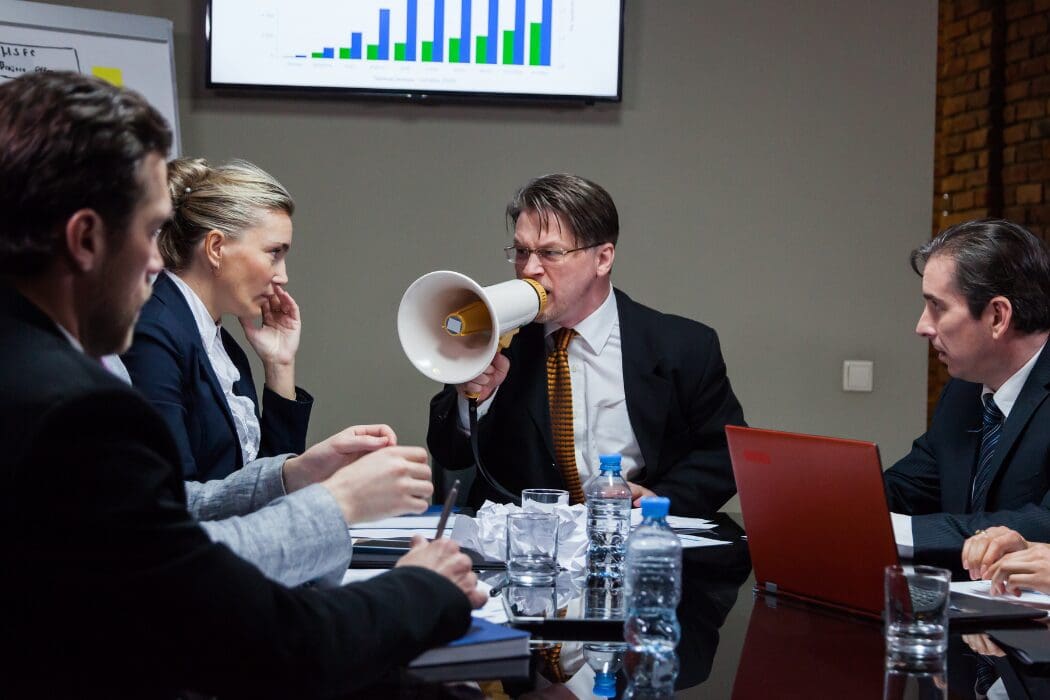
Summary: You know the feeling. Your boss walks into the meeting, and your stomach tightens. Or perhaps you have an idea, but you hesitate before speaking. Tension comes in many flavors, from yelling and passive-aggressive comments to the silent treatment. Eventually, someone says the words everyone has been thinking: “We have a toxic boss.” Maybe…

Summary: We hear these phrases everywhere. “She’s toxic.” “He’s impossible.” “Stay away from people like that.” Social media is overflowing with advice about identifying toxic people, avoiding toxic relationships, and eliminating toxic employees. Sometimes that advice is necessary. Abuse, manipulation, and repeated harmful behavior should never be ignored or tolerated. But what if the label…